Shifting Thresholds in App Ecosystems: Update Cycles Altering Sequence Patterns Across Sports and Table Platforms in Compliance Periods
Paul Braun · Sep 23, 2026
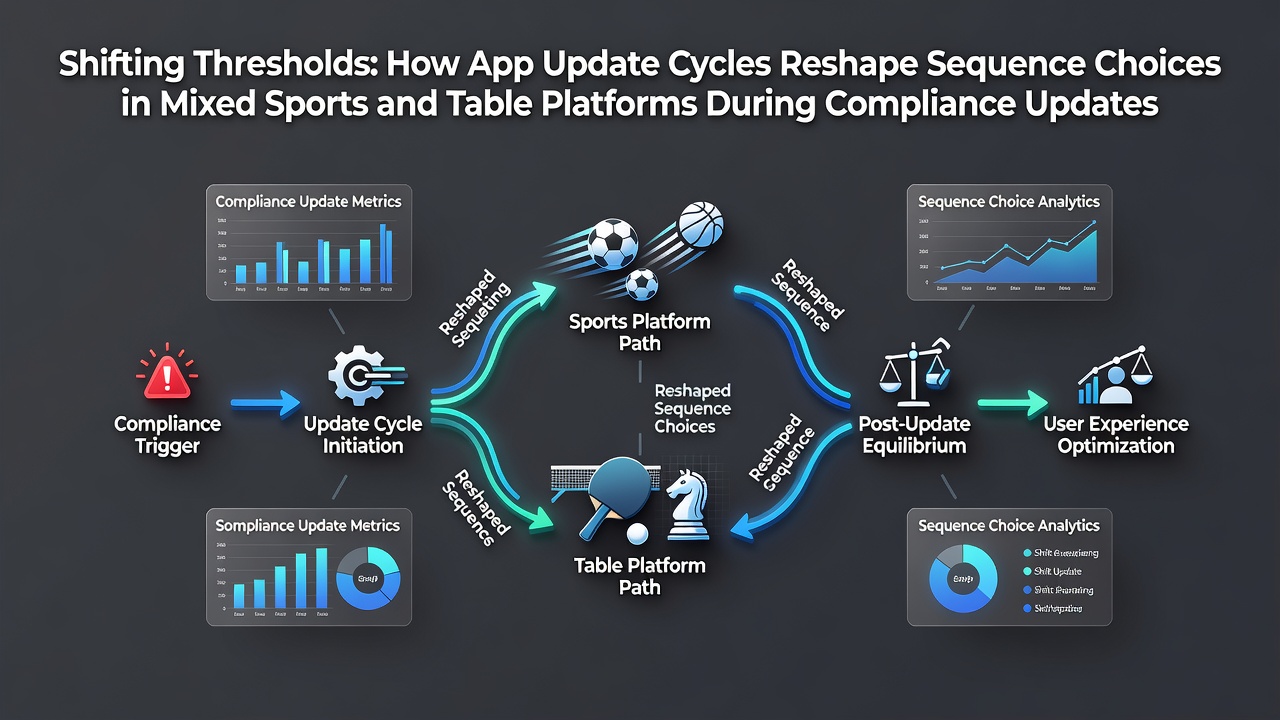
Shifting Thresholds in App Ecosystems: Update Cycles Altering Sequence Patterns Across Sports and Table Platforms in Compliance Periods
App development teams roll out frequent compliance updates to meet shifting regulatory requirements, and these cycles directly influence how users navigate sequence choices between sports wagering and table game sessions on the same platforms. Data from multiple operators shows that when updates address new verification protocols or payout structures, players adjust their typical progression from live odds checks to table selections within single sessions.
Mechanics of Compliance Updates in Hybrid Environments
Regulatory bodies across regions issue revised standards on data handling and transaction reporting, which forces developers to push mandatory patches that recalibrate in-app navigation flows. In September 2026 several North American and European platforms introduced changes to identity confirmation layers, and those modifications altered the order in which users encountered sports event listings versus table game lobbies. Observers note that sequence patterns become less linear once additional confirmation steps appear between categories, leading users to complete sports selections earlier in the session before moving to table formats.
Observed Changes in User Progression Sequences
Platform analytics collected during recent compliance windows reveal that average session length between sports and table segments extends by several minutes when update cycles introduce new verification checkpoints. Researchers tracking user behavior across integrated apps found that individuals often insert additional steps, such as reviewing updated terms, before committing to a table game after placing a sports wager. This creates a staggered sequence that differs from pre-update habits where users moved fluidly between the two categories.
One analysis of transaction logs from major operators indicated that the frequency of back-and-forth switches dropped noticeably after patches addressed anti-money laundering requirements, while single-direction progressions from sports to tables increased. Those who've studied these shifts point to the placement of new menu elements as a contributing factor, since updated interfaces sometimes bury table game access behind additional taps that users encounter only after finishing sports-related actions.
Regional Regulatory Influences on Update Timing
Authorities in different jurisdictions release compliance deadlines at staggered intervals, which means global app providers must coordinate multiple update waves within short timeframes. Figures from industry reports compiled by the International Association of Gaming Regulators show that platforms serving both Australian and Canadian markets synchronized several patches in mid-2026 to align with concurrent policy adjustments. Users in overlapping regions experienced these changes as clustered updates that reset familiar sequence paths more abruptly than isolated regional rollouts.
According to data released by the New Jersey Division of Gaming Enforcement, platforms operating under multi-state licenses adjusted their internal sequencing logic during these synchronized updates to maintain consistent user flows across borders. The adjustments affected how quickly table game options appeared after sports betting interfaces closed, prompting measurable changes in completion rates for combined sessions.

Impact on Loyalty and Reward Sequence Patterns
Many hybrid platforms tie loyalty point accumulation to specific sequence completions, such as finishing a sports wager before accessing a table game bonus. When compliance updates modify the timing of point crediting or introduce new eligibility checks, users adapt their order of play to preserve reward eligibility. Tracking studies conducted by academic groups at institutions focused on digital behavior patterns demonstrate that these adaptations persist for several weeks after each update cycle stabilizes.
Operators report that promotional sequences tied to milestone achievements also shift when underlying compliance code changes the visibility of progress indicators. Players who previously alternated rapidly between categories now pause at updated screens to verify that their sequence still qualifies for accumulating benefits, which lengthens the overall engagement timeline within single app sessions.
Technical Factors Driving Sequence Reshaping
Backend modifications required for compliance often include revised API calls that govern how quickly one game category loads after another closes. These technical constraints force developers to prioritize certain load orders, and users respond by adjusting the sequence in which they initiate different activities. Evidence from performance monitoring tools indicates that slower transitions between sports and table modules lead to higher abandonment rates at the midpoint of intended sequences.
Developers sometimes bundle additional interface refinements with compliance patches, which further influences user pathways. When new sorting options or filter tools appear in sports sections during an update, players spend extra time there before proceeding to table games, creating extended dwell periods that were not present in earlier versions of the same apps.
Conclusion
Compliance-driven app update cycles continue to recalibrate how users structure their movement between sports adn table segments on hybrid platforms. Data collected through September 2026 and beyond shows consistent adjustments in sequence timing, switch frequency, and reward pathway completion across multiple regulatory environments. Operators and analysts track these patterns closely because each new compliance wave introduces fresh variables that reshape the order and duration of player choices within integrated applications.