Cross-Device Reward Dynamics in Hybrid Sports and Table Gaming Platforms Post-License Adjustments
Petra Schmitz · Oct 7, 2026
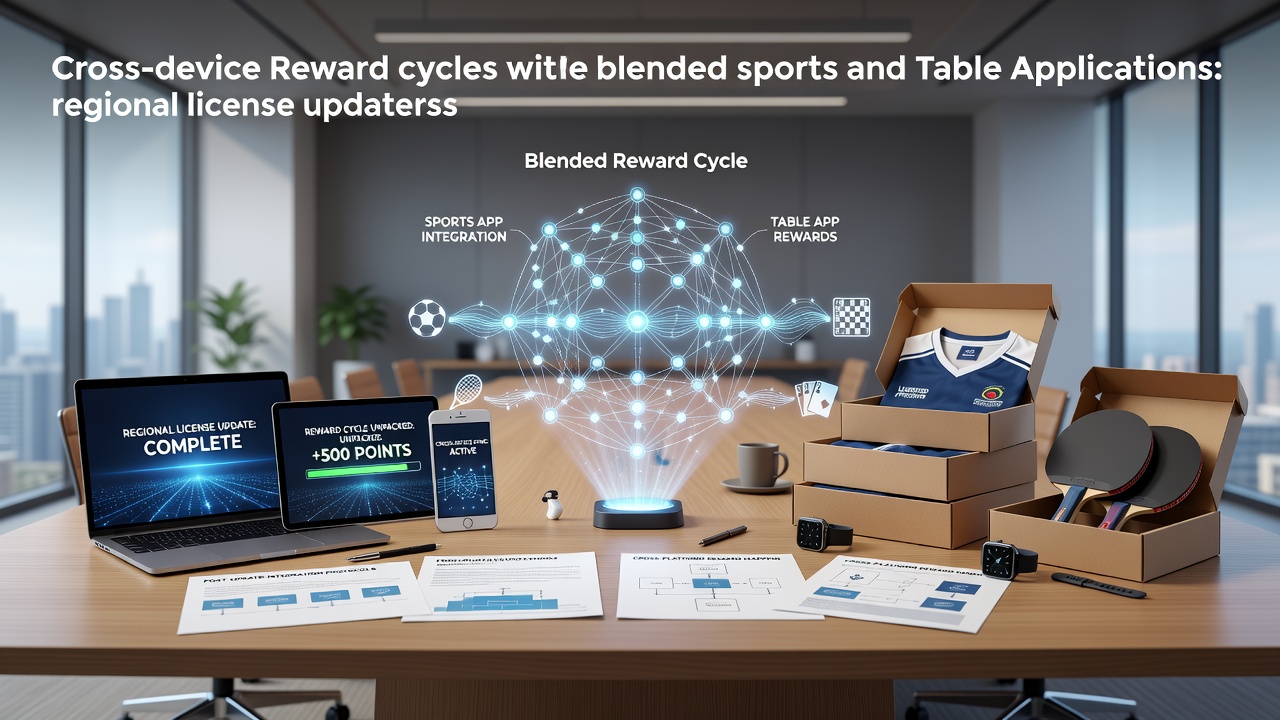
Cross-Device Reward Dynamics in Hybrid Sports and Table Gaming Platforms Post-License Adjustments
Regional license updates have reshaped how reward cycles operate across devices in applications that combine sports wagering with table game elements, and data from regulatory filings show these shifts began accelerating in early 2025 before reaching broader implementation phases by October 2026. Licensing bodies in multiple jurisdictions adjusted rules around player tracking, bonus portability, and cross-platform synchronization, which in turn influenced how points, credits, and loyalty tiers transfer between smartphones, tablets, and desktop interfaces.
Regulatory Shifts and Platform Adaptations
States and provinces that renewed or modified gaming licenses introduced requirements for real-time reporting of reward redemptions, and this change forced operators to refine their backend systems so that progress toward bonuses remained consistent regardless of the device in use. Observers note that applications blending live sports markets with virtual table options now rely on unified player profiles that update instantaneously, yet the underlying algorithms for awarding multipliers or free rounds differ based on whether activity occurs during peak sports events or steady table sessions.
One study released by the New Jersey Division of Gaming Enforcement highlighted that synchronized reward tracking reduced drop-off rates between mobile and desktop play by measurable margins, while similar patterns appeared in reports from the Alcohol and Gaming Commission of Ontario. Those adjustments coincided with license renewals that emphasized responsible play features, including mandatory cooling periods that apply uniformly across devices once certain thresholds are met.
Player Behavior Patterns After Updates
Analysts tracking usage data found that participants often begin sessions on mobile devices during live sports events then migrate to desktop setups for extended table game sequences, and reward cycles now accommodate this flow by preserving accumulated progress without requiring separate logins or manual transfers. Figures from industry reports indicate that seamless handoffs increased session lengths in blended environments, particularly after October 2026 updates that standardized data encryption standards for cross-device continuity.

Yet the mechanics vary by region because some licensing authorities mandate separate ledgers for sports versus table rewards even within the same application, whereas others permit full pooling once identity verification clears. Research indicates that players who alternate between formats accumulate loyalty points at different rates depending on device type, with mobile interfaces sometimes awarding smaller incremental bonuses tied to quick in-play decisions while desktop sessions yield larger rollover credits for table game milestones.
Technical Implementation Across Applications
Developers responded to these license conditions by embedding device-agnostic APIs that monitor activity in real time, and the result allows reward cycles to reset or advance based on combined metrics rather than isolated device histories. According to data compiled by the Malta Gaming Authority, operators that adopted these unified systems reported higher retention across blended categories, although the precise algorithms remain proprietary and subject to periodic audits.
Case examples from platforms operating under renewed licenses show that promotional rollovers tied to sports outcomes can feed directly into table game bonuses when users switch devices mid-cycle, but only if the license jurisdiction permits such linkage. Those who've examined transaction logs note that timing plays a key role, with rewards earned during evening sports windows carrying over more efficiently to morning table sessions on alternate hardware.
Conclusion
Regional license updates continue to drive refinements in how cross-device reward cycles function within applications that merge sports and table gaming, and ongoing data collection from multiple oversight bodies will likely shape further adjustments in the coming periods. The patterns observed so far emphasize consistency in player tracking while preserving distinctions required by individual regulatory frameworks.